Sunday, February 27, 2022

Understanding How Media Use Can Impact Kids: A Parent's Guide

 Article | 5 Ways To Attract The Right Candidates Using Social Media

In today's digital age, children are surrounded by media—from TVs and video games to smartphones and tablets. While media can offer educational benefits and entertainment, it also comes with potential pitfalls that parents should be aware of. Let's delve into how media use can affect children and practical strategies for parents to navigate this digital landscape wisely.

The Obesity Link

Issue: Excessive screen time has been linked to childhood obesity. When children spend hours in front of screens, they are often sedentary and may engage in mindless snacking influenced by advertisements promoting unhealthy foods.

Interactive Tip: Encourage outdoor play and physical activities as alternatives to screen time. Setting limits on screen time and promoting healthy eating habits can help mitigate the risk of weight gain.

Watching Risky Behaviors

Issue: Media often portrays risky behaviors such as substance abuse and high-risk sexual activities in a glamorous light, potentially influencing children's perceptions and behaviors.

Interactive Tip: Engage in conversations with your child about media content. Teach them to critically analyze what they see and discuss the real-life consequences of risky behaviors portrayed in media.

Seeing Violence

Issue: Exposure to violence in media can desensitize children and contribute to aggressive behavior or fearfulness.

Interactive Tip: Monitor the content your child consumes and prioritize age-appropriate and non-violent media. Discuss with them the impact of violence and encourage empathy and conflict resolution skills.

Sleep, Mental Health, and Other Problems

Issue: Media use before bedtime or in the bedroom can disrupt sleep patterns and contribute to mental health issues such as anxiety and depression.

Interactive Tip: Establish screen-free times and zones in your home, particularly before bedtime. Encourage relaxing activities like reading or quiet play to promote better sleep hygiene.

Too Many Commercials

Issue: Children may not understand the persuasive intent of advertisements and can be influenced by consumerism promoted in media.

Interactive Tip: Educate children about advertising techniques and the purpose of commercials. Use commercial breaks as opportunities to discuss media literacy and critical thinking skills.

Parental Strategies for Healthy Media Use

  1. Set Limits: Establish clear rules on screen time duration and content appropriateness based on your child's age and developmental stage.

  2. Monitor Content: Regularly check what your child is watching or playing. Utilize parental controls and explore media together to guide their choices.

  3. Engage Actively: Co-view or co-play with your child. Discuss characters, storylines, and messages portrayed in media to promote critical thinking and understanding.

  4. Encourage Balance: Balance screen time with physical activities, hobbies, and face-to-face interactions to support overall well-being.

  5. Stay Informed: Keep yourself updated on media trends and technologies. Stay connected with your child's interests and provide guidance based on their evolving media habits.

Conclusion

Navigating media use with children requires proactive parenting and ongoing communication. By understanding the potential impacts of media and implementing positive strategies, parents can help their children benefit from media while minimizing its negative effects. For personalized guidance or concerns, consult with your child's pediatrician or a child psychologist. Together, we can foster healthy digital habits and ensure a balanced upbringing for our children in the digital age.

Thank you for exploring our comprehensive guide on media use and its effects on children. Embrace these strategies to empower your child to make informed media choices and thrive in today's media-rich world.

Sunday, February 20, 2022

Disciplining Your Toddler: A Guide to Positive Parenting

 11 Fun Developmental Activities for Toddlers

Welcome to our interactive guide on disciplining toddlers. Parenting a toddler can be both rewarding and challenging, especially when it comes to setting boundaries and guiding behavior. Here, we'll explore effective strategies to help you navigate this important phase of your child's development.

Understanding Toddler Behavior

Toddlers are curious, energetic, and constantly exploring their world. They test boundaries as they learn what is acceptable behavior. As a parent, your role is crucial in teaching them appropriate ways to express themselves and interact with others.

1. Be Consistent

Consistency is key when it comes to disciplining toddlers:

  • Set Clear Rules: Establish clear rules and consequences for behavior. For example, if hitting or throwing toys is unacceptable, clearly communicate this and follow through with consequences like a time-out.
  • Follow Through: Ensure that consequences are consistently applied. Avoid empty threats or inconsistent responses, which can confuse your child.
  • Lead by Example: Model the behavior you want to see in your child. Children learn by observing adults, so demonstrate patience, kindness, and respect in your own actions.

2. Eliminate Temptation

Toddlers are naturally curious and can be attracted to potentially dangerous objects or situations. Here’s how you can minimize risks:

  • Childproofing: Securely store cleaning supplies, medications, and other hazardous items out of reach.
  • Remove Tempting Items: Keep fragile or valuable items, like phones or jewelry, away from where your toddler plays.
  • Redirect Attention: If your child is drawn to something off-limits, calmly redirect their attention to a safe and appropriate activity.

3. Use Distraction or Redirection

When faced with unwanted behavior, distraction can be a powerful tool:

  • Say "No" Calmly: If your toddler is about to engage in unacceptable behavior, calmly say "No" and redirect their attention.
  • Offer Alternatives: Provide alternative activities or toys that are engaging and suitable for their age.
  • Stay Positive: Reinforce positive behavior by praising and acknowledging when your child makes good choices.

4. Implement Time-Outs Effectively

Time-outs can be an effective way to help toddlers calm down and learn from their behavior:

  • Explain Why: Use a neutral tone to explain why the behavior was inappropriate. For example, "We do not hit. Hitting hurts."
  • Choose a Time-Out Spot: Select a designated area, such as a chair or bottom stair, away from distractions.
  • Time Guidelines: Follow the guideline of about 1 minute per year of age (e.g., 2 minutes for a 2-year-old).
  • Remain Neutral: During the time-out, avoid engaging with your child or providing attention. This reinforces that time-out is a break from positive interaction.

5. Managing Temper Tantrums

Tantrums are common in toddlers and can be challenging for parents. Here’s how to handle them effectively:

  • Anticipate Triggers: Identify common triggers for tantrums, such as hunger or fatigue, and try to address them proactively.
  • Stay Calm: Keep your own emotions in check during tantrums. Your calmness can help de-escalate the situation.
  • Ignore Attention-Seeking Behavior: For tantrums aimed at getting attention, continue with your activities calmly without giving in to demands.
  • Offer Support: If your child is overwhelmed, guide them through calming techniques like deep breathing or offering a comforting hug once they have settled down.

Conclusion

Disciplining toddlers requires patience, consistency, and understanding. By setting clear expectations, using positive reinforcement, and responding calmly to challenges, you can guide your child toward positive behavior and healthy emotional development.

Thank you for exploring our interactive guide on disciplining toddlers. For more tips or personalized advice, feel free to consult with your child's pediatrician or behavioral health specialist. Parenting is a journey, and we're here to support you every step of the way!

Thursday, February 10, 2022

5 Ways to Make Holiday Travel Easier

 Just 36% travellers willing to go on family holiday this year' | Travel  News | Manorama English

Welcome to our interactive guide on making holiday travel with kids less stressful and more enjoyable. Whether you're navigating airports or hitting the road, these practical tips will help you prepare and ensure a smoother journey for the whole family.

1. Pack Smart

Packing efficiently can make a world of difference during holiday travel. Here's what to include:

  • Comfort Essentials: Pack favorite stuffed animals, blankets, and extra toys to keep kids comfortable and entertained.
  • Electronics and Chargers: Bring tablets, phones, or gaming devices to keep older kids occupied. Don't forget chargers and power banks.
  • Snacks and Drinks: Pack healthy snacks and beverages to keep hunger at bay and avoid pricey airport or roadside options.
  • Medications and Essentials: Keep essential medications easily accessible. Include diapers, wipes, changes of clothes, and any special items your child needs.
  • Travel Documents: Ensure you have passports, IDs, boarding passes, and any necessary medical information handy.

2. Plan Ahead to Save Time and Effort

Preparation is key to minimizing stress during holiday travel:

  • Book Early: Schedule flights or plan your route in advance to secure the best options and avoid last-minute hassles.
  • Choose Optimal Times: Opt for early morning or less crowded flights to reduce delays and airport congestion.
  • Consider Carry-Ons: Pack lightly and efficiently to avoid checked baggage fees and speed up airport processes.
  • Gifts and Packages: Ship gifts ahead of time or consider buying online and having them delivered to your destination to save space and hassle.
  • Stay Informed: Check weather forecasts and monitor travel alerts to anticipate any disruptions.

3. Prepare Your Kids and Set Expectations

Help your kids understand what to expect and how to behave during travel:

  • Explain the Journey: Talk about airport security, flight routines, or road trip stops to prepare kids for the experience.
  • Safety Measures: Share emergency contact information and discuss what to do if separated in crowded areas.
  • Adjustment to Routines: Plan for time zone changes and maintain familiar meal times, naps, and bedtime routines to ease transitions.
  • Be Flexible: Emphasize that unexpected delays or changes can happen and encourage patience and adaptability.

4. Plan Your Accommodations

Whether staying with family or in a hotel, ensure accommodations are kid-friendly:

  • Safety First: Childproof spaces with baby gates, cabinet locks, or outlet covers if needed.
  • Special Needs: Inform hosts or hotels about any allergies or medical conditions your child has in advance.
  • Comfort Items: Bring familiar bedding or toys to help children feel more at home in new surroundings.
  • Check Amenities: Confirm availability of cribs, high chairs, or other necessary items at your lodging.

5. Drive Safely

If hitting the road, prioritize safety for everyone onboard:

  • Car Seat Check: Ensure proper installation and use of car seats or boosters according to your child's age and size.
  • Rest and Breaks: Plan frequent stops for restroom breaks, snacks, and stretching to keep kids comfortable and reduce driver fatigue.
  • Night Travel Caution: Be extra vigilant during holiday evenings when there's increased traffic and potential for impaired driving.
  • Stay Focused: Minimize distractions by pre-setting GPS directions and avoiding phone use while driving.
  • Enjoy the Journey: Use travel time as an opportunity to engage with your kids, play games, or listen to holiday music together.

Conclusion

Holiday travel with kids can be challenging, but with careful planning and these practical tips, you can create a smoother and more enjoyable experience for your family. Remember to stay flexible, prioritize safety, and embrace the adventure of traveling during this festive season.

Thank you for exploring our interactive guide on making holiday travel easier. If you have any questions or tips to share, feel free to join the conversation in the comments below. Safe travels!

Wednesday, February 2, 2022

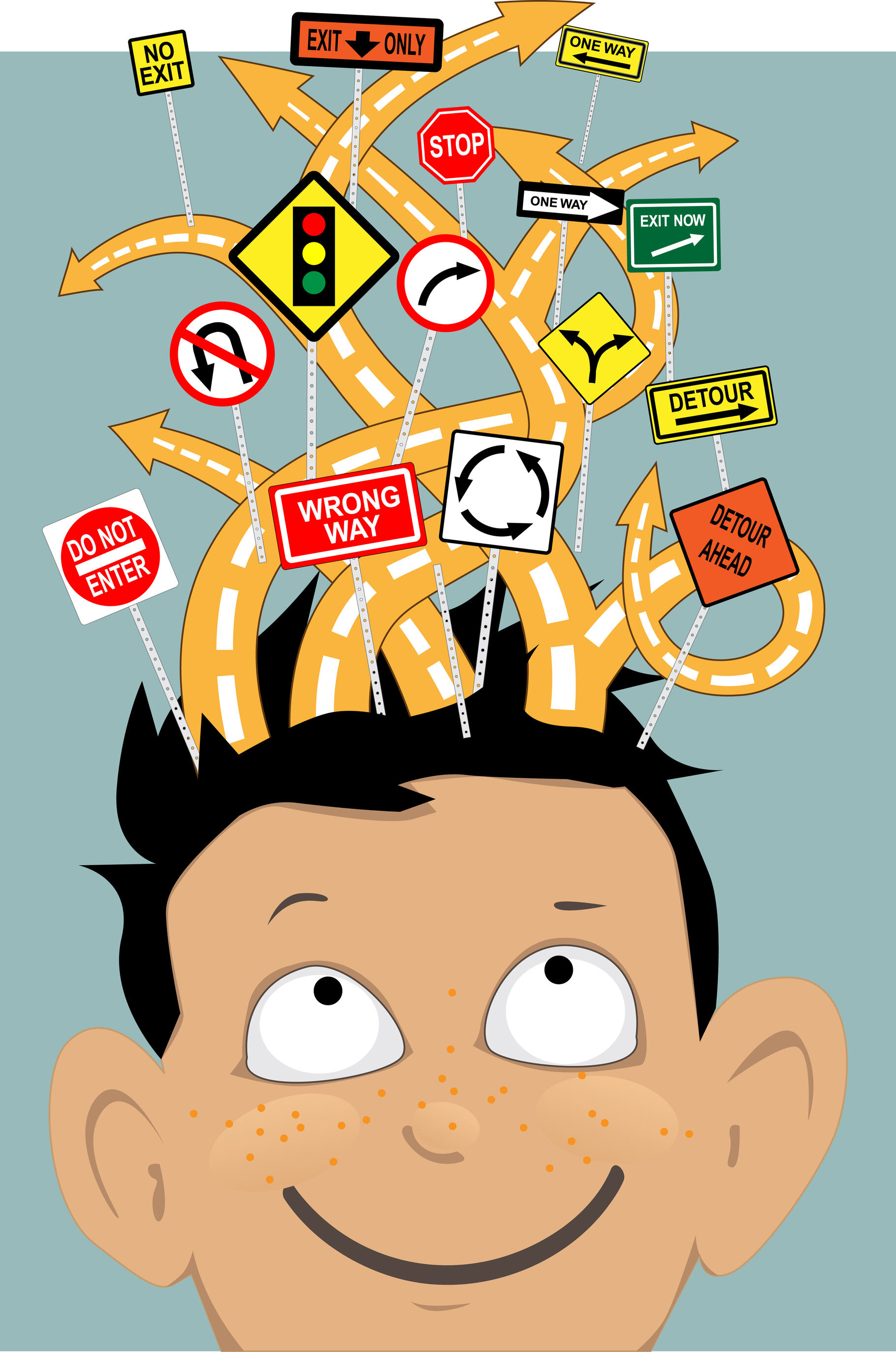
Understanding ADHD in Kids: An Interactive Guide

 ADHD

Welcome to our interactive guide on Attention Deficit Hyperactivity Disorder (ADHD), a common neurodevelopmental disorder that affects children's ability to focus, control impulses, and manage their behavior. Let's explore what ADHD is, its signs and symptoms, causes, diagnosis, treatment options, and how parents can support their child's journey.

What is ADHD?

ADHD stands for Attention Deficit Hyperactivity Disorder. It is a medical condition characterized by differences in brain development and activity that impact a child's ability to pay attention, sit still, and control impulses. ADHD can affect children's performance at school, home life, and relationships.

Signs and Symptoms

ADHD symptoms can manifest in different ways:

  • Inattentive Type: Children may have difficulty focusing, completing tasks, following instructions, and often appear forgetful or easily distracted.
  • Hyperactive Type: Children are excessively active, fidgety, and struggle to stay seated. They may talk excessively or interrupt others.
  • Combined Type: Children exhibit symptoms of both inattention and hyperactivity-impulsivity.

What Causes ADHD?

The exact cause of ADHD is not fully understood, but factors may include:

  • Genetics: ADHD often runs in families, suggesting a genetic predisposition.
  • Brain Development: Differences in brain structure and function, particularly in areas related to attention and impulse control.
  • Environmental Factors: Premature birth, exposure to toxins, or maternal substance use during pregnancy may increase the risk.

How is ADHD Diagnosed?

Diagnosing ADHD involves a comprehensive evaluation:

  • Medical Assessment: A doctor conducts a physical exam and reviews medical history to rule out other potential causes.
  • Behavioral Assessment: Parents and teachers complete behavior checklists to assess the child's symptoms and their impact on daily life.
  • Diagnostic Criteria: ADHD is diagnosed if symptoms significantly impair functioning at home and school, and have persisted for a period.

Treatment Options

Effective management of ADHD often includes:

  • Medication: Stimulant medications (e.g., methylphenidate, amphetamines) can help improve attention and impulse control.
  • Behavioral Therapy: Therapists teach children skills to manage behavior, emotions, and social interactions.
  • Parent Training: Coaching parents on effective strategies to support their child's development and manage ADHD-related behaviors.
  • School Support: Educational accommodations, like Individualized Education Programs (IEPs) or 504 Plans, can help children succeed academically.

How Can Parents Help?

Supporting a child with ADHD involves:

  • Education: Learn about ADHD, treatment options, and effective parenting strategies.
  • Medication Management: Administer medication as prescribed and monitor its effects.
  • Collaboration with Schools: Communicate with teachers to create a supportive learning environment.
  • Positive Parenting: Use praise, structure, and clear expectations to reinforce positive behaviors.
  • Support Groups: Connect with other parents facing similar challenges for mutual support and guidance.

Conclusion

ADHD is a manageable condition that, with the right support and treatment, allows children to thrive academically, socially, and emotionally. By understanding ADHD symptoms, causes, and treatment options, parents can play a crucial role in their child's journey toward success.

Thank you for exploring our interactive guide on ADHD in kids. If you have any questions or would like to share your experiences, please feel free to engage in the comments section below. Together, we can raise awareness and support families navigating ADHD.

Tuesday, February 1, 2022

Understanding Binge Eating Disorder: A Deep Dive into Symptoms, Causes, and Treatment

Mayo Clinic Q&A: What you should know about binge-eating disorders –  Chicago Tribune

Welcome to our interactive guide on binge eating disorder (BED), a complex condition that affects many individuals, often with significant impacts on their physical and mental well-being. In this article, we'll explore what BED is, its signs and symptoms, potential causes, diagnosis, and treatment options.

What is Binge Eating Disorder?

Binge eating disorder (BED) is characterized by recurrent episodes of eating large quantities of food in a short period, accompanied by a sense of loss of control over eating behavior. Unlike other eating disorders like bulimia nervosa, individuals with BED do not engage in compensatory behaviors like purging or excessive exercise.

Signs and Symptoms

  • Frequent Episodes of Binge Eating: Eating unusually large amounts of food rapidly, even when not physically hungry.
  • Loss of Control: Feeling unable to stop eating or control what or how much is eaten.
  • Emotional Triggers: Using food to cope with emotions such as stress, sadness, or anxiety.
  • Eating Alone or in Secret: Due to feelings of shame or embarrassment about the amount of food consumed.
  • Distress and Guilt: Feelings of guilt, shame, or depression after a binge episode.

What Causes Binge Eating Disorder?

The exact cause of BED is not fully understood, but several factors can contribute:

  • Genetics: Family history of eating disorders or obesity may increase the risk.
  • Psychological Factors: Emotional stress, low self-esteem, or body image issues.
  • Dieting and Restriction: Restrictive dieting practices can trigger episodes of binge eating.
  • Environmental Factors: Stressful life events, trauma, or social pressures may play a role.

Diagnosis

Diagnosing BED involves a comprehensive evaluation by a healthcare professional, including:

  • Medical History: Assessing eating behaviors, emotional health, and any related medical conditions.
  • Diagnostic Criteria: Meeting specific criteria such as recurrent binge eating episodes and feelings of loss of control.
  • Physical Examination: Checking for health issues related to weight gain, such as high blood pressure or diabetes.

Treatment Options

Effective treatment typically involves a multidisciplinary approach:

  • Therapy: Cognitive-behavioral therapy (CBT) is often used to help individuals change their eating behaviors and address underlying emotional issues.
  • Nutritional Counseling: Working with a dietitian to establish healthy eating habits and meal planning.
  • Medication: In some cases, antidepressants or other medications may be prescribed to manage associated symptoms like depression or anxiety.
  • Support Groups: Joining support groups or therapy groups can provide peer support and encouragement.

How Can You Help?

If you or someone you know may be struggling with BED, taking proactive steps can make a significant difference:

  • Seek Professional Help: Consult a healthcare provider who specializes in eating disorders for an accurate diagnosis and tailored treatment plan.
  • Encourage Healthy Habits: Foster a supportive environment with regular meals, mindful eating practices, and positive reinforcement.
  • Promote Body Positivity: Encourage self-acceptance and focus on overall health rather than weight alone.
  • Raise Awareness: Educate yourself and others about BED to reduce stigma and promote understanding.

Conclusion

Binge eating disorder is a serious condition that can have profound effects on both physical health and emotional well-being. With early intervention and comprehensive treatment, individuals with BED can achieve recovery and improve their quality of life. Remember, seeking help is a sign of strength, and support from loved ones plays a crucial role in the recovery journey.

Thank you for exploring our interactive guide on binge eating disorder. If you have any questions or would like to share your experiences, please feel free to engage in the comments section below. Together, we can raise awareness and support those affected by this challenging but treatable condition.

Sunday, January 16, 2022

Understanding Teen Suicide: A Guide for Parents

Youth suicide: Know the warning signs and take preventive action | UCLA  Health

Welcome to our interactive guide on understanding teen suicide. This article aims to provide you with essential information, resources, and practical steps to help you support your teen and prevent the tragedy of suicide. Let's dive in:

1. What is Teen Suicide?

Teen suicide occurs when a young person takes their own life. It's a devastating event that impacts families, friends, and communities deeply. Understanding the reasons behind suicide and knowing the warning signs can help in prevention.

2. Why Do Teens Consider Suicide?

Teens may contemplate suicide for various reasons, including:

  • Mental Health Issues: Depression, anxiety, bipolar disorder, and substance abuse are common factors.
  • Stressful Life Events: Such as academic pressure, relationship issues, bullying, or family conflicts.
  • Feelings of Isolation: Lack of social support or feeling misunderstood.
  • Identity and Sexual Orientation: Struggles with self-identity or facing discrimination.
  • Access to Means: Availability of firearms or easy access to medications.

3. Warning Signs of Suicide

It's crucial for parents to recognize warning signs that their teen may be at risk:

  • Verbal Cues: Talking about death, suicide, or feeling hopeless.
  • Behavioral Changes: Withdrawing from friends and activities, changes in eating or sleeping habits.
  • Emotional Signals: Expressing feelings of guilt, worthlessness, or overwhelming sadness.
  • Giving Away Possessions: Sudden generosity or unusual behavior regarding personal belongings.

4. How Can Parents Help?

As a parent, your support and understanding can make a significant difference:

  • Open Communication: Keep lines of communication open with your teen. Listen actively and without judgment.
  • Seek Professional Help: If you suspect your teen is at risk, seek help from a mental health professional or counselor.
  • Remove Access to Means: Ensure firearms and medications are secured and inaccessible to your teen.
  • Support Networks: Encourage your teen to build supportive relationships and seek help from trusted adults or friends.

5. Resources for Help

Here are some resources you can reach out to for support and guidance:

  • National Suicide Prevention Lifeline: Call 1-800-273-TALK (8255) or text "HELLO" to 741741.
  • Crisis Text Line: Text "START" to 678678 to connect with a trained crisis counselor.
  • Local Mental Health Services: Contact local hospitals, community health centers, or school counselors for immediate assistance.

6. Interactive Activities

Let's engage in some interactive activities to deepen your understanding:

  • Scenario Exploration: Read through different scenarios involving teen struggles and discuss how you would approach them as a parent.
  • Quiz on Warning Signs: Test your knowledge on recognizing warning signs of teen suicide.
  • Role-playing: Practice having open conversations with your teen about their emotions and struggles.

7. Preventing Suicide Together

Suicide prevention is everyone's responsibility. By staying informed, proactive, and supportive, we can create a safer environment for our teens:

  • Educate Others: Share what you've learned with friends, family, and community members.
  • Advocate for Mental Health: Support policies and initiatives that promote mental health awareness and access to services.
  • Take Care of Yourself: As a parent, prioritize your own mental and emotional well-being to better support your teen.

Conclusion

Understanding teen suicide is complex, but with knowledge and proactive steps, we can help prevent this tragic loss of young lives. Remember, reaching out for help is a sign of strength, not weakness. Together, let's work towards creating a supportive and understanding environment for our teens.

Thank you for engaging with our interactive guide. If you have any questions or need further assistance, feel free to reach out to a mental health professional or use the provided resources. Your involvement can make a difference.

Tuesday, January 11, 2022

Helping Kids Cope with Loneliness: Building Social Connection Skills

 How to Help Kids Who Are Lonely - Child Mind Institute

Loneliness is a universal emotion that children, like adults, experience from time to time. As parents, guardians, or caregivers, our role is crucial in helping children navigate these feelings and develop the social skills needed to foster meaningful connections. Here’s how you can support your child in building these essential skills:

1. Connect Daily and Meaningfully

One of the most powerful ways to combat loneliness is through regular, meaningful connections with your child:

  • Quality Time: Make it a point to spend dedicated time together each day, even if it’s brief. Engage in activities your child enjoys or simply chat about their day.
  • Active Listening: When your child talks to you, give them your full attention. Make eye contact, nod, and respond thoughtfully. This shows them that you value their thoughts and feelings.
  • Physical Affection: Hugs, pats on the back, or holding hands can convey a sense of security and closeness. Physical touch is important for emotional bonding.

2. Foster Healthy Friendships

Friendships are vital for children’s social and emotional development. Here’s how you can help nurture your child’s friendships:

  • Encourage Social Skills: Teach your child the importance of kindness, empathy, and inclusion. Help them understand the value of taking turns, listening actively, and being supportive of others.
  • Facilitate Friendships: Support your child in making connections with peers who share similar interests. Arrange playdates or encourage participation in group activities where they can meet new friends.
  • Role Model Friendship: Demonstrate healthy friendships in your own interactions. Show empathy, resolve conflicts peacefully, and be a good friend to others.

3. Cultivate Kindness and Gratitude

Acts of kindness and expressions of gratitude can strengthen social bonds and alleviate feelings of loneliness:

  • Model Kindness: Demonstrate kindness in your daily interactions, whether it’s helping a neighbor, volunteering, or being supportive within your community.
  • Teach Gratitude: Encourage your child to express gratitude for acts of kindness they receive. This fosters a positive outlook and reinforces the value of social connections.
  • Empower Your Child: Involve your child in acts of kindness, such as helping out at home, making cards for neighbors, or participating in community service projects. These activities promote a sense of belonging and contribution.

When Lonely Feelings Persist

While occasional loneliness is normal, persistent feelings of loneliness may indicate a deeper issue that requires attention:

  • Seek Support: If you notice that your child frequently experiences loneliness or seems withdrawn, consider seeking guidance from a healthcare professional or counselor.
  • Therapeutic Support: A therapist can help your child explore their feelings, develop coping strategies, and build resilience. Therapy provides a safe space for children to express themselves and learn effective ways to manage emotions.

Conclusion

By actively fostering social connection skills, you empower your child to navigate loneliness and build strong, supportive relationships. Through daily connection, encouragement of friendships, and promotion of kindness, you lay a foundation for your child’s emotional well-being and resilience. Remember, your support and guidance play a crucial role in shaping how your child learns to connect with others and find joy in meaningful relationships. Together, we can help children thrive emotionally and socially, one connection at a time.

Understanding How Media Use Can Impact Kids: A Parent's Guide

  In today's digital age, children are surrounded by media—from TVs and video games to smartphones and tablets. While media can offer ed...